2. Comparação das especificações técnicas
3. Adaptação do cenário de aplicação
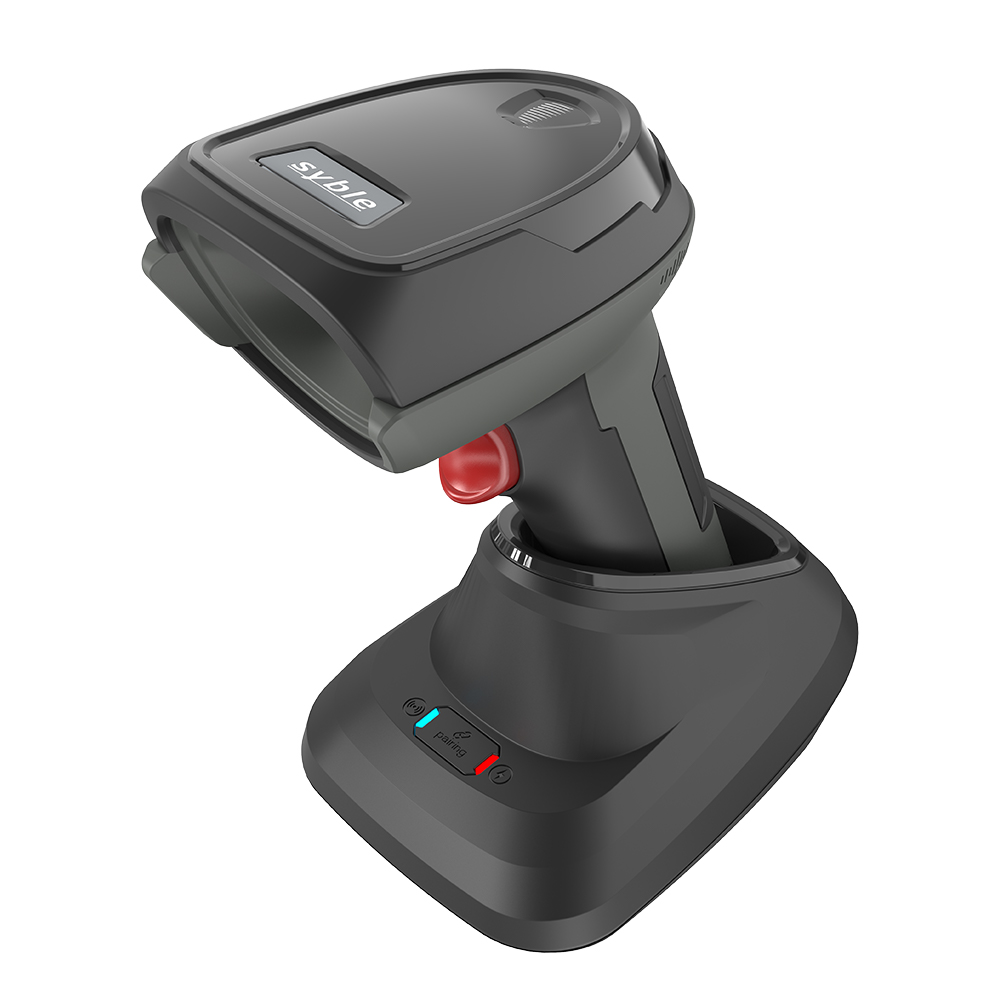
Cenários de aplicação: Contextos de alta frequência, porém operacionalmente simples, como caixa de supermercado, coleta de encomendas e empréstimo de livros em bibliotecas.
Motivos para a escolha: Os leitores de código de barras oferecem baixo custo, operação simples e captura rápida de códigos de barras, proporcionando excelente relação custo-benefício.
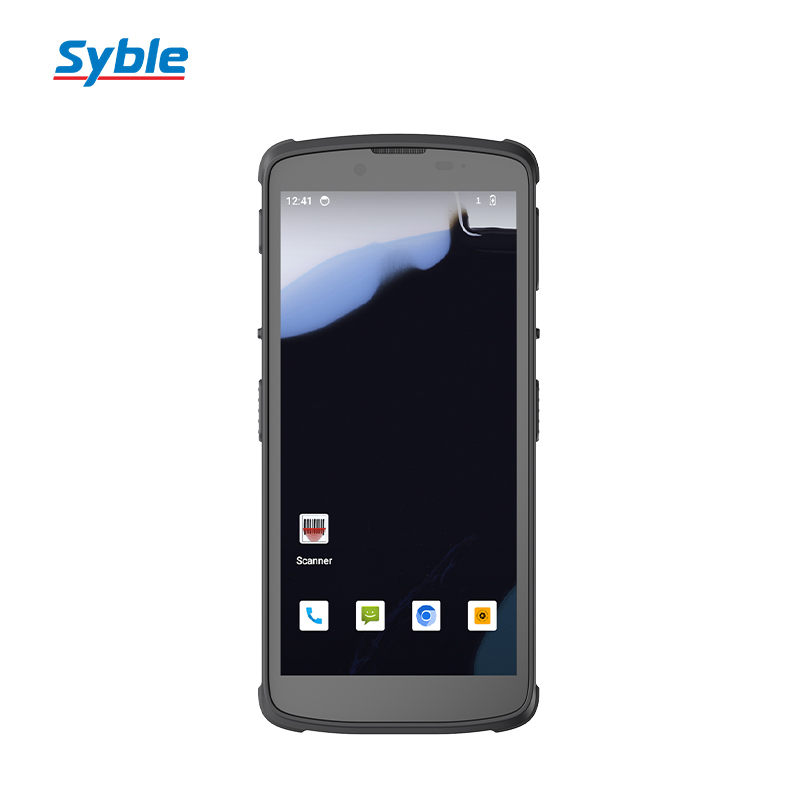
Cenários aplicáveis: Operações que exigem processamento de dados no local, incluindo inventário de armazém, triagem logística, vendas móveis e inspeção/manutenção.
Motivos para a seleção: Os PDAs permitem a entrada, consulta e atualização de dados em tempo real, reduzindo efetivamente o erro humano e, ao mesmo tempo, aumentando a eficiência operacional e a precisão dos dados.
Leitores de código de barras: Baixo custo inicial de aquisição, mas exigem integração com computador, o que leva a atrasos nos dados e reinserção manual.
PDAs: Requerem investimento inicial mais elevado, mas permitem a automação de processos de negócio, reduzindo custos de mão de obra e taxas de erro, oferecendo vantagens de custo a longo prazo.
Leitores de código de barras Os leitores de código de barras e os PDAs apresentam diferenças significativas em termos de posicionamento funcional, características técnicas e cenários de aplicação. Os leitores de código de barras focam na captura e transmissão de códigos de barras, caracterizando-se por uma construção simples e baixo custo. São adequados para cenários de leitura fixos ou diretos, mas dependem de dispositivos host externos e possuem funcionalidade limitada. Os PDAs, por outro lado, são terminais inteligentes multifuncionais com capacidades independentes de processamento de dados e execução de tarefas, suportando requisitos complexos de escritórios móveis. Embora exijam um investimento inicial maior, melhoram significativamente a eficiência operacional e a precisão dos dados, sendo particularmente adequados para setores que requerem gerenciamento de dados em tempo real, como armazenagem, logística e varejo.
A seleção deve estar alinhada com os requisitos operacionais específicos: onde predominam tarefas básicas de digitalização e restrições orçamentárias, os leitores de código de barras representam a escolha ideal. Por outro lado, para operações que envolvem processamento móvel, gerenciamento de dados no local ou integração de sistemas, os recursos abrangentes e os benefícios a longo prazo dos PDAs se mostram mais vantajosos. Para mais informações, entre em contato. Síble .
A2 Building, No.18, JingSan road,Zengjiang Street, Zengcheng District,Guangzhou, China


Endereço de e-mail
sales05@syble.cnNúmero de contato
+86-20-32030616 IPv6 rede suportada

 en
en ru
ru pt
pt